Whether you are thinking about becoming a career pilot or flying for fun, one thing is sure, flying an airplane will be like nothing you have done before! Our flight training options are listed below. If you have any questions please give us a call or contact us — happy flying!
30 min grd/1 hr flight $249
Our most popular gift certificate option, the Discovery Flight lesson, is a great option when looking for fun things to do in Lancaster, PA, and is composed of a 30-minute ground session and 1 hour flight lesson. Yes! We let you fly the airplane! The discovery flight counts towards your training! This will give you a more in-depth option to see what learning to fly an airplane all is about while experiencing Lancaster County like you never thought possible.
During the ground portion, learn to fly by going over the gauges of the Airplane and what each control is utilized for. Next, the certified flight instructor will walk you through your preflight checklist and, once completed, prepare to take flight! Your flight lesson continues as the instructor will teach you the maneuverable capability of the Airplane while taking off and climbing in altitude. Upgrade to a professional logbook for $9.95.
Book FlightFly anywhere you want, take friends and family as passengers, or even fly at night when you earn your private airplane license! We will be there with you every step of the way to make sure you gain the proper knowledge and
understanding required to succeed. The FAA minimum hours required to obtain your private pilot license is 40, but the national average needed is between 55 and 60 hours. Once all the standards are met, your check ride will be
scheduled. The day you pass your check ride you will be granted your private pilot license immediately!
stage 1 will be pre-solo training. In this stage, you will learn to fly and gain all the training needed to solo the airplane safely.
stage 2 consists of cross-county training. During this time, you will gain knowledge of how to navigate long distances in your airplane. You will get the chance to fly cross-county flights with your instructor along with completing cross country flight solo.
stage 3 checks ride preparation. To obtain your private airplane license, you must pass a check ride with a designated pilot examiner (DPE). In stage 3, you will train towards meeting the published FAA standards that must be demonstrated on your official check ride.
If you’re training towards being a professional pilot, an instrument rating will most likely be your next step after obtaining your private license. This rating will allow you to build new skills while also working towards your
commercial license at the same time. This is also a great option for a private pilot looking to build their skills to fly under bad weather conditions and safely give the pilot more options.
You will begin your instrument training by learning to fly the airplane in reference to the instruments only. This can be a very challenging yet rewarding skill to learn. You will then learn how to navigate under instrument conditions with the final stage being instrument approaches.
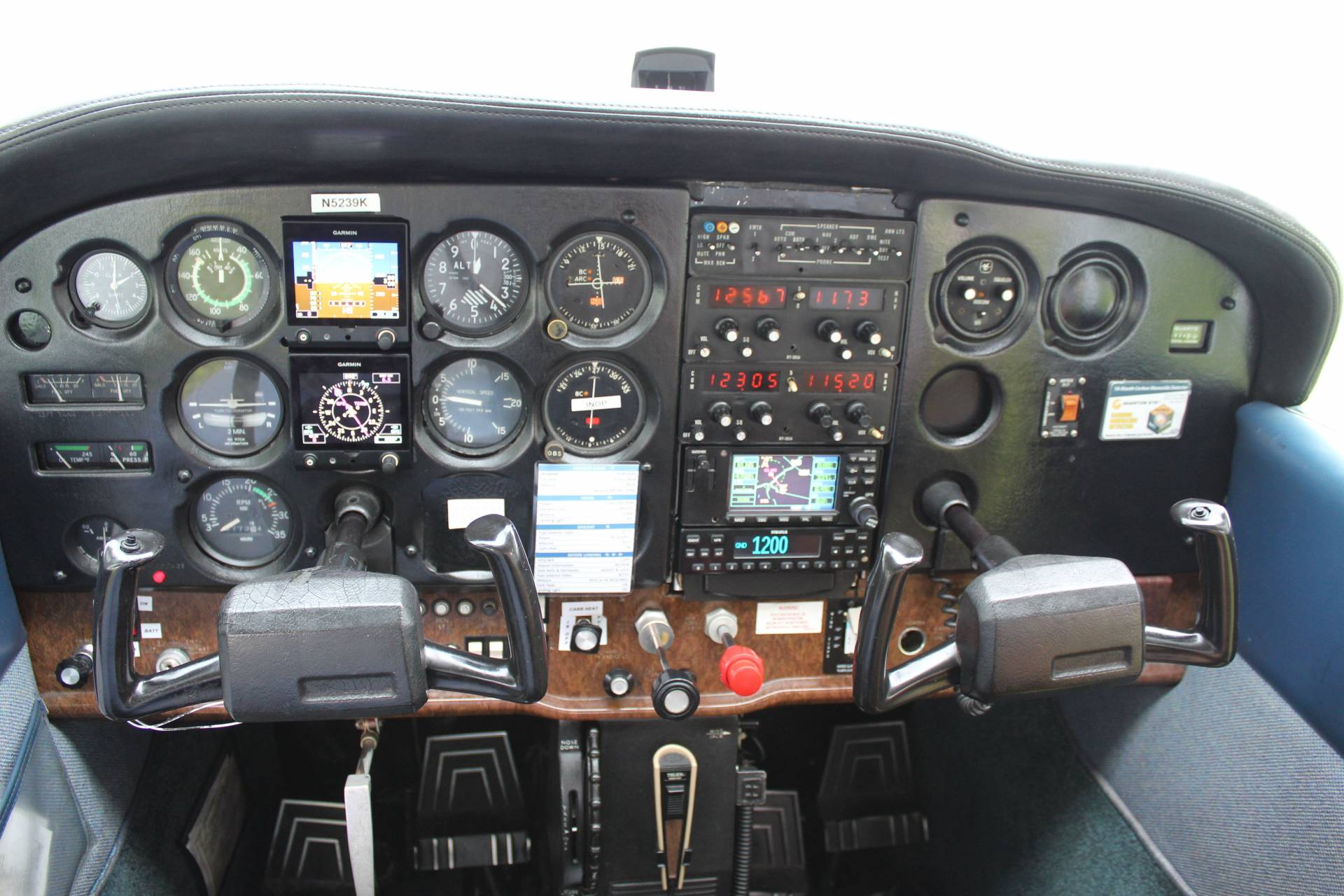
Getting your commercial pilot license will allow you to work for hire as an airplane pilot. With a commercial license you will be able to fly missions such as tours, photo flights, banner towing, sky diving aircraft, and aerial survey and get paid for your services. During your training you will learn what it takes to become a professional airplane pilot. During training you will hone in your skills to a higher standard of maneuvers you have already been exposed from during your private license. You will also be exposed to some new more challenging maneuvers that are required for the commercial pilot license. This course will also prepare you for the ground knowledge of commercial regulations that you must abide by as a commercial airplane pilot. If you’re on the track to become an airline pilot this be a license your get on your way to becoming a CFI.
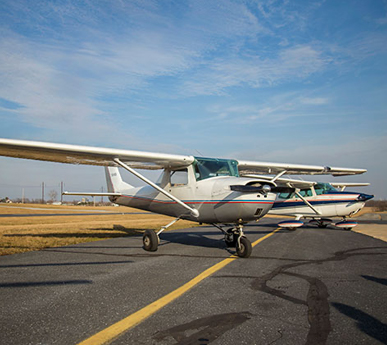
After obtaining your commercial pilot license, it is a great idea to get your certified flight instructor rating. To gain an entry-level job as an airplane pilot you must build your flight time up. Airlines require 1500 total hours with other small entry-level jobs wanting in the 1000 hour range. The traditional and most practical way to obtain those hours is to become a flight instructor. When you are flight instructing a student you’re are then able to log those hours to build the hours and be paid for those hours up to get your airline dream job.
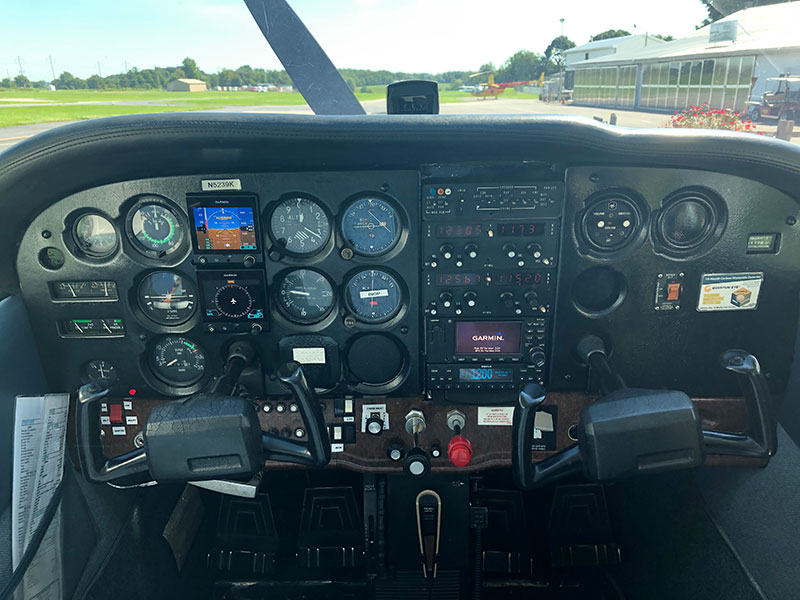
After obtaining your CFI rating it’s a great idea to get your Certified Flight Instructor Instrument (CFII). This rating allows you to teach the instrument rating to students. This will allow another way to build flight time and will make you become more marketable to get you towards your career faster.
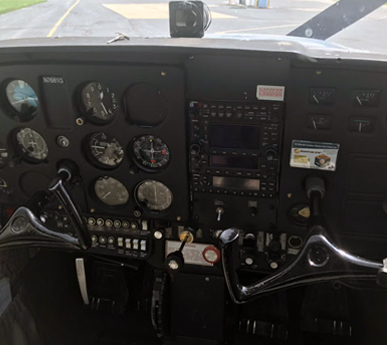
Thinking of becoming an airline pilot? There is no better time than now. The airlines are hiring and the growth potential looks very strong for the years to come. Our professional pilot program is what you need to start your journey towards that goal. There are many variables that can come into play but this price gives you a cost estimate to start you from zero flight time and get you to your CFI/CFII where you can start working and getting paid.
Book Flight

 Log in